What is the issue?
 Adults with intellectual and developmental disabilities (IDD) are living longer than ever before, but they face a significantly higher risk of developing dementia at a younger age. Many also encounter barriers to healthcare, including limited access to appropriate screening, challenges navigating services, physical inactivity, and social isolation. These factors can contribute to poorer brain health outcomes and reduced quality of life as they age.
There is a growing need for accessible, evidence-informed resources that support brain health, promote early dementia screening, and help adults with IDD, their families, and care providers plan for healthy aging. Without targeted supports, opportunities for prevention, early identification, and timely care may be missed.
How is H-CARDD helping?
As part of the Brain Health-IDD initiative, H-CARDD is leading a project focused on building capacity across Canada to promote brain health among people with IDD and their families. A second project is also underway evaluating the implementation of a tailored dementia screening tool for this population.
As part of this work, the H-CARDD team is evaluating a virtual education program designed for adults with IDD, family caregivers, and health and social service providers across Canada. The Brain Health-IDD program is a structured online course delivered over six weeks (for families and service providers) or seven weeks (for adults with IDD).
The program focuses on practical strategies to support brain health and healthy aging, including:
- Approaches to reduce dementia risk and promote overall well-being
- Tools and resources for managing physical and mental health
- Guidance on navigating life changes and planning for the future
- Information about dementia screening and assessment for adults with IDD
- Opportunities to connect with peers and build supportive networks across Canada
The course is co-designed and delivered by individuals with lived experience alongside clinical and research experts in IDD and mental health. This collaborative approach ensures the program is accessible, relevant, and grounded in real-world needs. The project will evaluate participation, experiences, and outcomes to inform future efforts to support healthy aging for adults with IDD and their families.
Resources
- Defy Dementia Podcast: No Brain Left Behind - An episode of the Baycrest Defy Dementia podcast explores the connection between developmental disabilities and dementia. Guests Dewlyn and her mother, Anna Lobo, share their experiences navigating health challenges related to Down syndrome, alongside insights from Yona Lunsky on the importance of awareness and stigma reduction.
Blog Posts
- Forget No One: Dementia and Developmental Disabilities – January 2026
- Brain Health and Developmental Disabilities: Lessons from the AAIC Conference - August 2025
- All Aboard: Setting Sail and Navigating the Brain Health-IDD Journey - April 2024
Publications
- Kevin’s story: My journey with my brother, dementia, and Down Syndrome, published in Healthy Debate. Colleen Kelly, a teacher in the Brain Health-IDD program, shares her experience caring for her brother Kevin, who had Down syndrome and developed dementia.
- Evaluating the impact of a national brain health education course for older adults with intellectual and developmental disabilities and caregivers: Brain Health-IDD Program protocol. Y. Lunsky et al., published in BMJ Open, describes the program and plans for evaluation.
- Aging well together: Promoting brain health for aging individuals with IDD and their families. S. Phillips et al., published in Journal of Recovery in Mental Health, describes the development of the course for families, based on family advisor input.
About the Brain Health-IDD logo
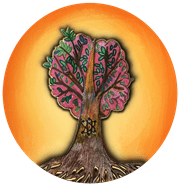
The Brain Health-IDD logo reflects a positive, inclusive, and accessible understanding of brain health. Its design was shaped through a collaborative process involving people with lived experience, clinicians, and researchers.
During facilitated brainstorming sessions, participants shared ideas and perspectives on what brain health means in everyday life. Judy Noonan, a self-advocate advisor, created a drawing and painting that captured these shared insights in a simple yet powerful way. This artwork became the foundation for the Brain Health-IDD logo.
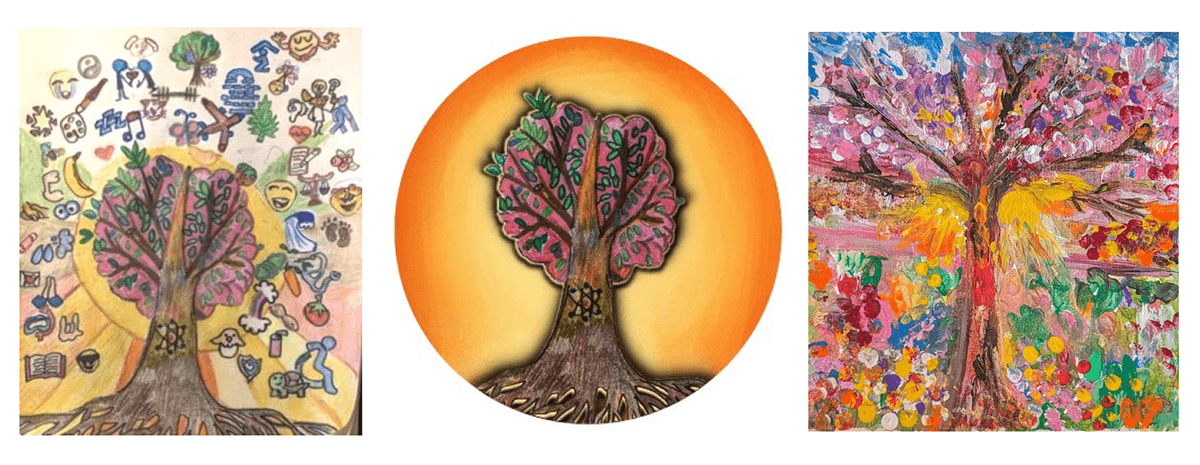
Trees mean a lot to me! I see the brain like a growing tree, always changing and growing. Happy thoughts, good company and doing things that make you smile are like feeding your brain, just as taking care of trees helps them grow tall. Remember, like leaves falling and your brain feeling tired, or when leaves change colour, your brain is changing and healing. Without challenges, there's no progress. For me, brains are like trees always growing. - Judy Noonan, Self-advocate and artist
This H-CARDD research project is funded by the Canadian Institutes of Health Research and the Azrieli Foundation (Operating grant FRN #BH3-191304).
 |
 |