
CAMH News & Stories
In the headlines or behind the scenes, CAMH stories always aim to inform, engage, and enlighten.

Ontario Student Mental Health Rebounds from Pandemic Lows, but Long-Term Trends Remain Troubling
Long-running CAMH survey reveals some mental health improvements post-pandemic but highlights elevated stress, excessive screen time, and a sharp rise in online gambling among youth
Read More

Ontario mental health and addictions organizations respond to Ontario Big City Mayors’ call for action on homelessness
With average wait times of 61 days for adult bed-based addictions treatment and 124 days for community-based addictions treatment in Ontario, there are thousands of people ready to voluntarily seek care every year, but services need to be available when and where people need them.
Read More

New Trial Shows Structured Care Approach Reduces Medication Overuse in Dementia Patients
Integrated Care Pathway could be a safer default approach, particularly during the critical first weeks of care
Read More

Difference Makers Gala Celebrates a National Movement for Mental Health
See the photos from the evening - and read about the four things we can all do to drive the mental health movement forward.
About Difference Makers Gala Celebrates a National Movement for Mental Health
New retail spaces on Queen Street – We want your input
The two new buildings currently under construction at CAMH include plans for 9,000 square feet of retail space that will be divided into smaller units
About New retail spaces on Queen Street – We want your input
New ECHO closing gaps in trans and gender diverse care
For nurse Kristen Patrick, Kenora doesn’t feel quite as isolated as it did a few weeks ago, thanks to CAMH’s new ECHO Ontario Trans and Gender Diverse Healthcare.
About New ECHO closing gaps in trans and gender diverse care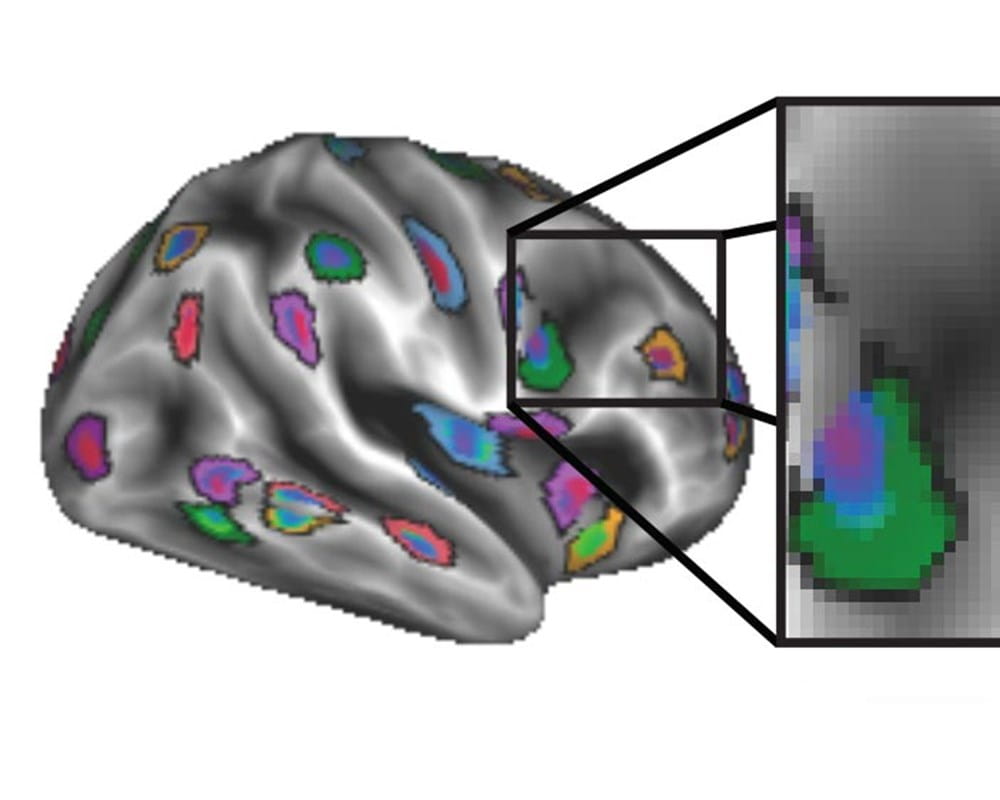
CAMH study shows details of brain networks in autism
New personalized brain mapping approach underscores need for individualized treatments
About CAMH study shows details of brain networks in autism
I stole Anderson Cooper’s French fries
My day with the world’s most famous journalist
About I stole Anderson Cooper’s French fries
CAMH featured on 60 Minutes
The work of CAMH’s Temerty Centre for Therapeutic Brain Intervention was part of a special report by Anderson Cooper on 60 Minutes.
About CAMH featured on 60 Minutes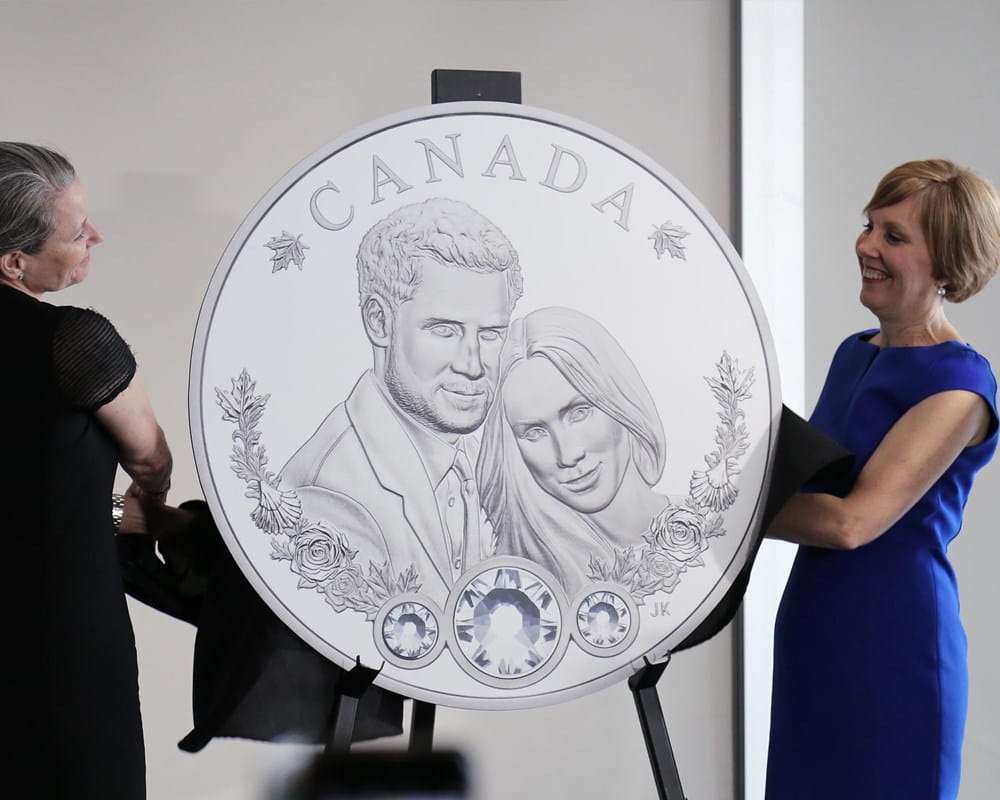
Prince Harry coin unveiled at CAMH
In honour of the upcoming wedding of Prince Harry and Meghan Markle, the Royal Canadian Mint has released a special silver collector coin.
About Prince Harry coin unveiled at CAMH
CAMH Redevelopment Update: May 2018
CAMH is committed to keeping our communities, neighbours and staff informed about the progress of the Queen Street Redevelopment Project.
About CAMH Redevelopment Update: May 2018
Interview: The OpenNotes Movement
Gillian Strudwick interviews Stephen O’Neill, the founder of the OpenNotes movement for mental health, in this video from Portico.
About Interview: The OpenNotes Movement
Mental Health is Health
Those four words are at the heart of CAMH’s most ambitious public awareness campaign in years.
About Mental Health is Health