Supporting CAMH patients in need
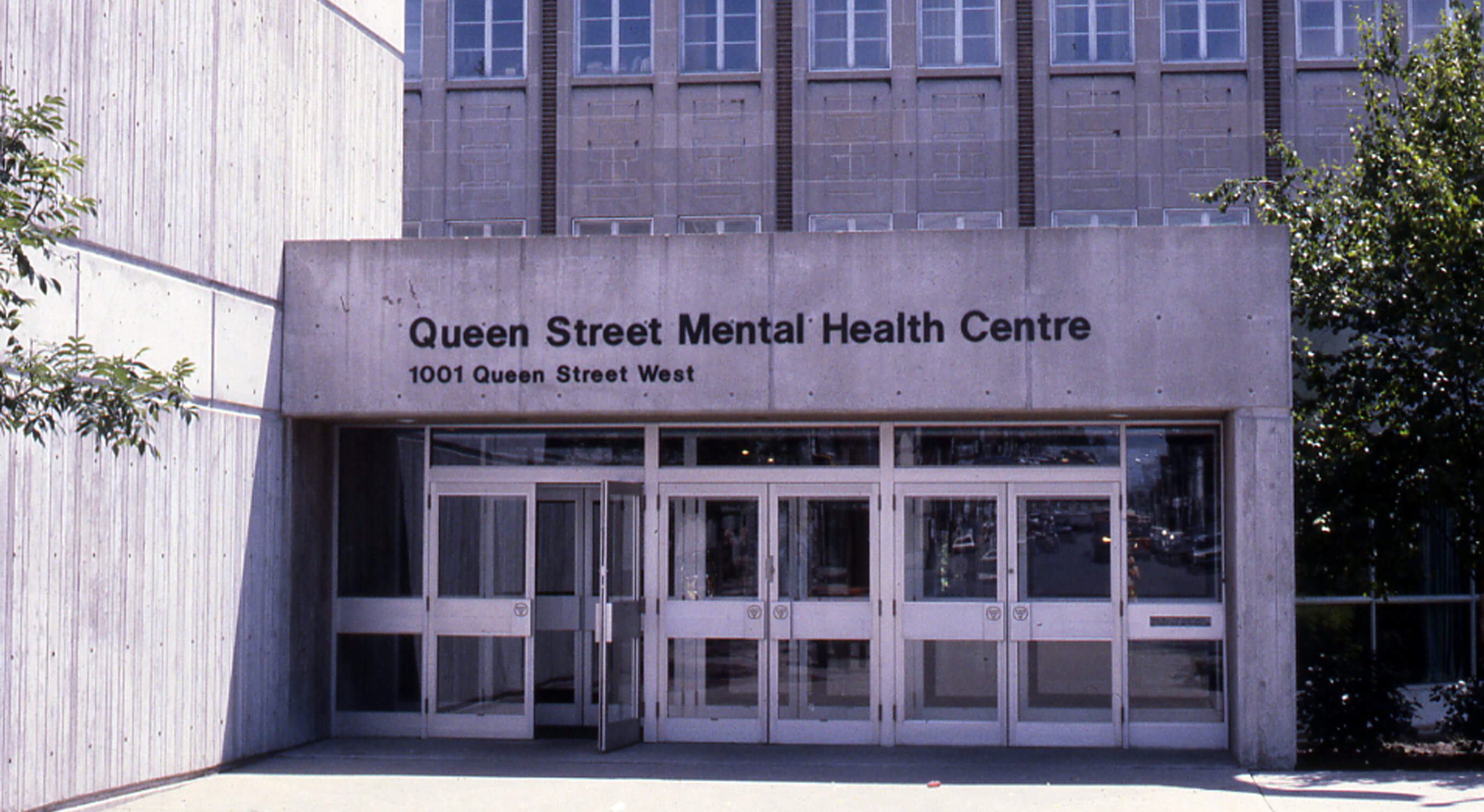
Some CAMH patients in our inpatient programs no longer require hospital-level care but remain in hospital due to a lack of appropriate community resources to support their discharge.
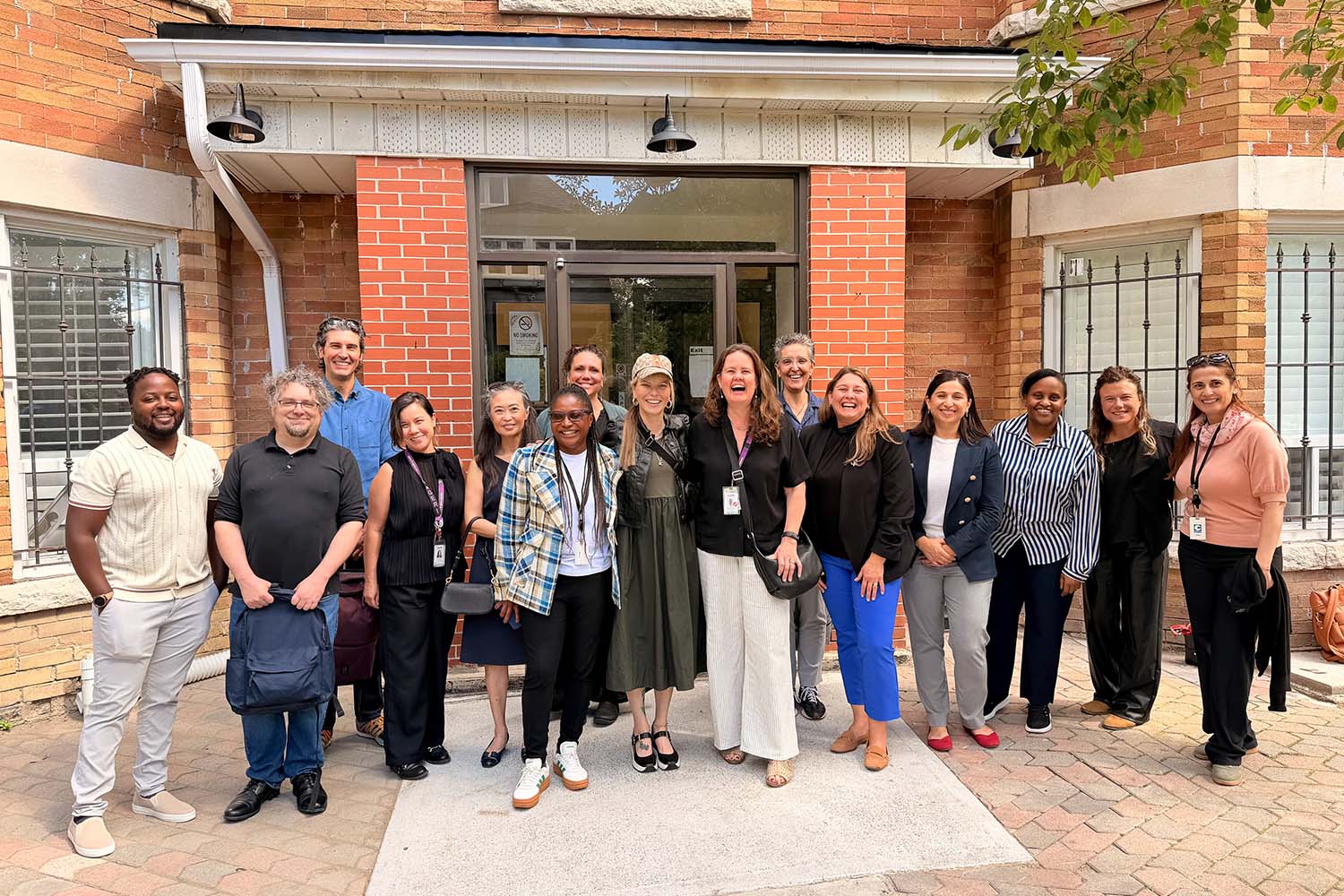
“The original [program collaboration with Madison] has evolved over time, currently focused on meeting the need of appropriate support and housing for CAMH Alternative Level of Care (ALC) patients,” says Melonie. A social worker by trade, Melonie has a long history of integrating community partnerships into the clinical practices to provide support for patients.
Madison Community Services is one of many trusted community providers who CAMH collaborates with to provide supportive housing to our patients. In the past 10 years, over 50% of CAMH’s ALC patients have been discharged to one of these housing partnerships. This translates to over 500 patients being discharged via CAMH partnerships over the past decade. The need for more of these services is constant, and while CAMH has seen success in its implementation, we are still far from where we should be.
“For people experiencing mental health and addiction challenges, safe, stable, and affordable housing is often a critical part of recovery, wellness, and long-term health,” says Chama Chongo, Executive Director at Madison Community Services. “We know firsthand that a home is where recovery begins. When someone has a place to call home, everything else becomes possible – their health improves, their relationships strengthen, and they can start to rebuild their lives. Today, we’re proud to provide a home to more than 200 people who have struggled to find stable housing because of their mental health.”
At CAMH, much of the work of the hospital’s Social Determinants of Health (SDH) Services is to create opportunities for patients to bolster the social determinants of health factors that influence their lives and support recovery. Developing and maintaining connections with community housing organizations, SDH and its various staff are continuing to find ways to house more of CAMH ALC patients within the constraints of a system that is heavily under pressure.
“Housing partnerships is CAMH’s best strategy to reduce ALC and improve patient flow; and if we don’t have housing, those ALC numbers grow,” says Melonie.
Wilson Park and the future of Supportive Housing Programs
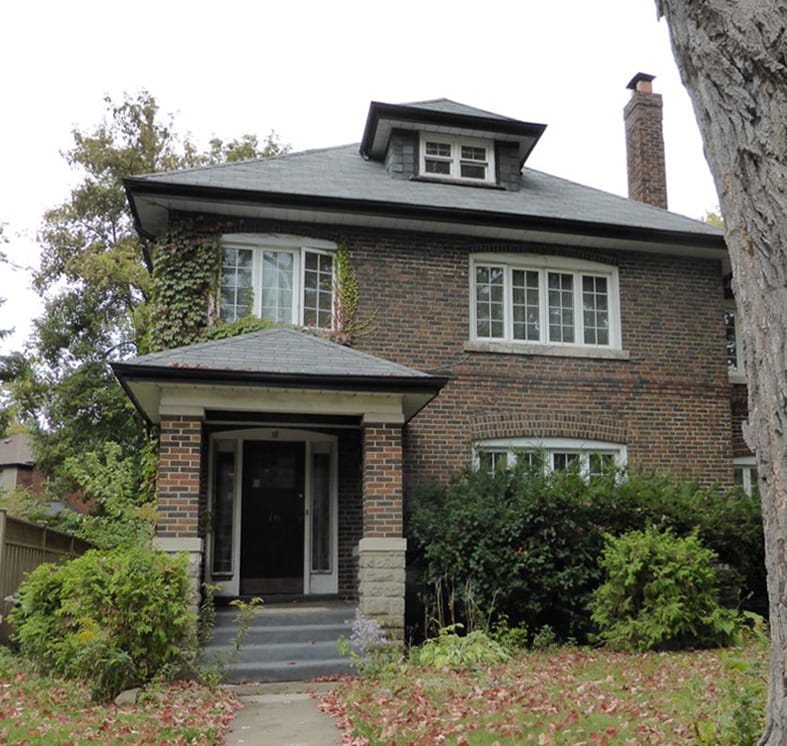
Most recently, CAMH and partners Madison Community Services and Habitat Services have opened a new 25-bed high support housing program at Wilson Park in Parkdale, representing a tremendous collaborative success that has paid off for the clients in the space.
Habitat Services funds, monitors and provides housing support to the tenants at Wilson Park,” says Chris Persaud, Executive Director at Habitat Services. “We have a team of housing support staff that visit the home 3 times per week to do social recreational programming with tenants. The home is also assigned a Habitat Residential Services Inspector to monitor the contract standards and mediate tenant issues and/or disputes.”
Chama described how the partnership has been beneficial in the health and recovery of Wilson Park’s residents. “Together, Madison and CAMH set out to pair permanent, affordable housing with individualized supports that help people stay housed, manage their health, build life skills, and connect with others. Throughout, we asked critical questions one of which is: what would make this feel like home? The answer shaped the program’s key features.”
These features include:
- A space of their own: A private room for every resident, plus shared space for meals, medication support, and group activities.
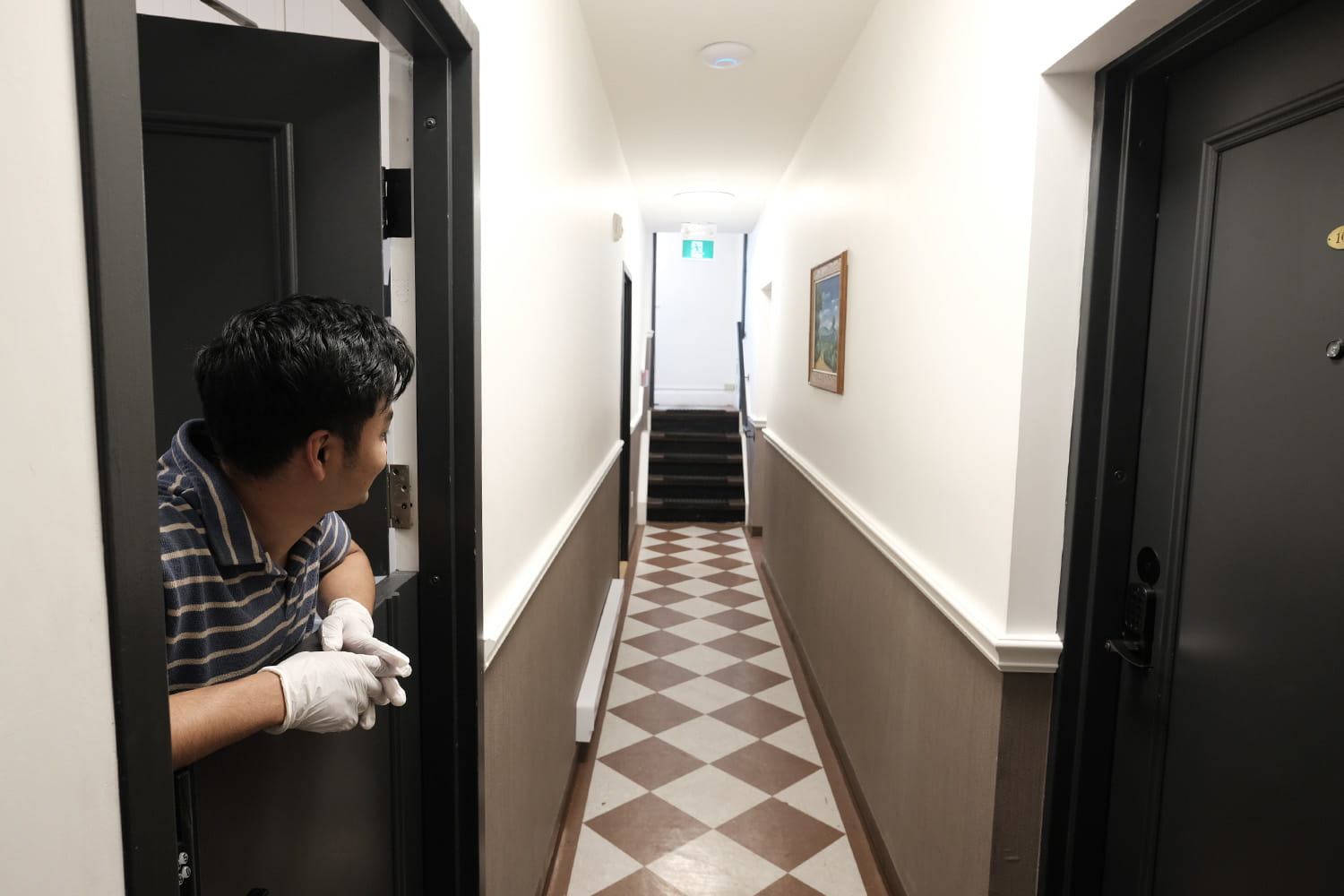
- Support around the clock: Staff on site 24/7, providing three nutritious meals a day, help with medication and daily living, crisis support, recreation, and case management.
- Safety and comfort: A welcoming environment where residents feel secure and at ease.
- Meeting people where they are: Support for people with minimal substance use and those in the forensic program, with staff trained in harm reduction to respond to overdoses.
- A neighbourhood that feels like home: Located in the heart of Parkdale, a community many CAMH clients know and love, close to CAMH and other essential services.
“Wilson Park was designed for people who need a high level of support to live in the community,” says Chama. “It reflects our belief that housing and health are interconnected – a principle shaped through conversations with our CAMH counterparts, particularly Melonie and team. For people with complex mental health, addiction, and social needs, a housing unit alone is often not enough.”
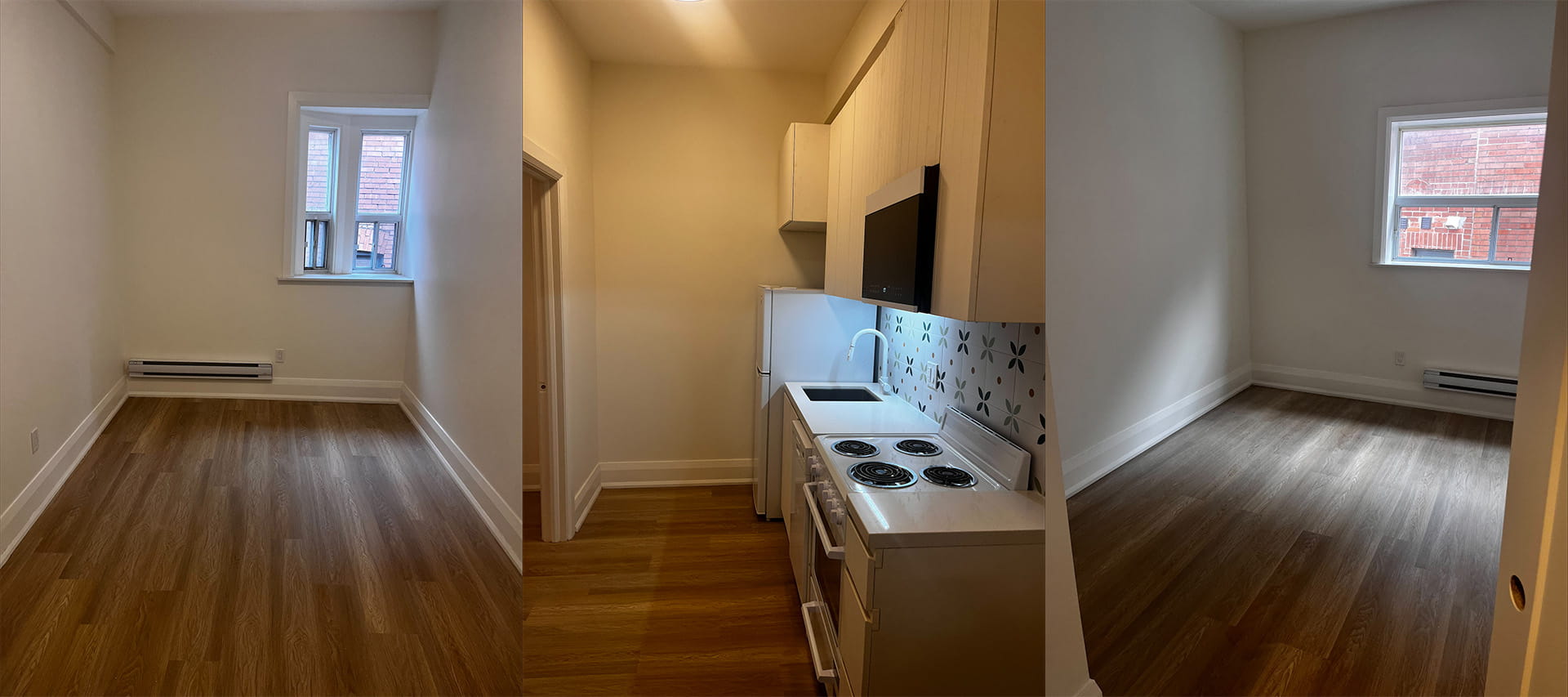
This high support program, operated by Madison, provides 24/7 staffing, meals, and medication support, along with daily living assistance and activities.
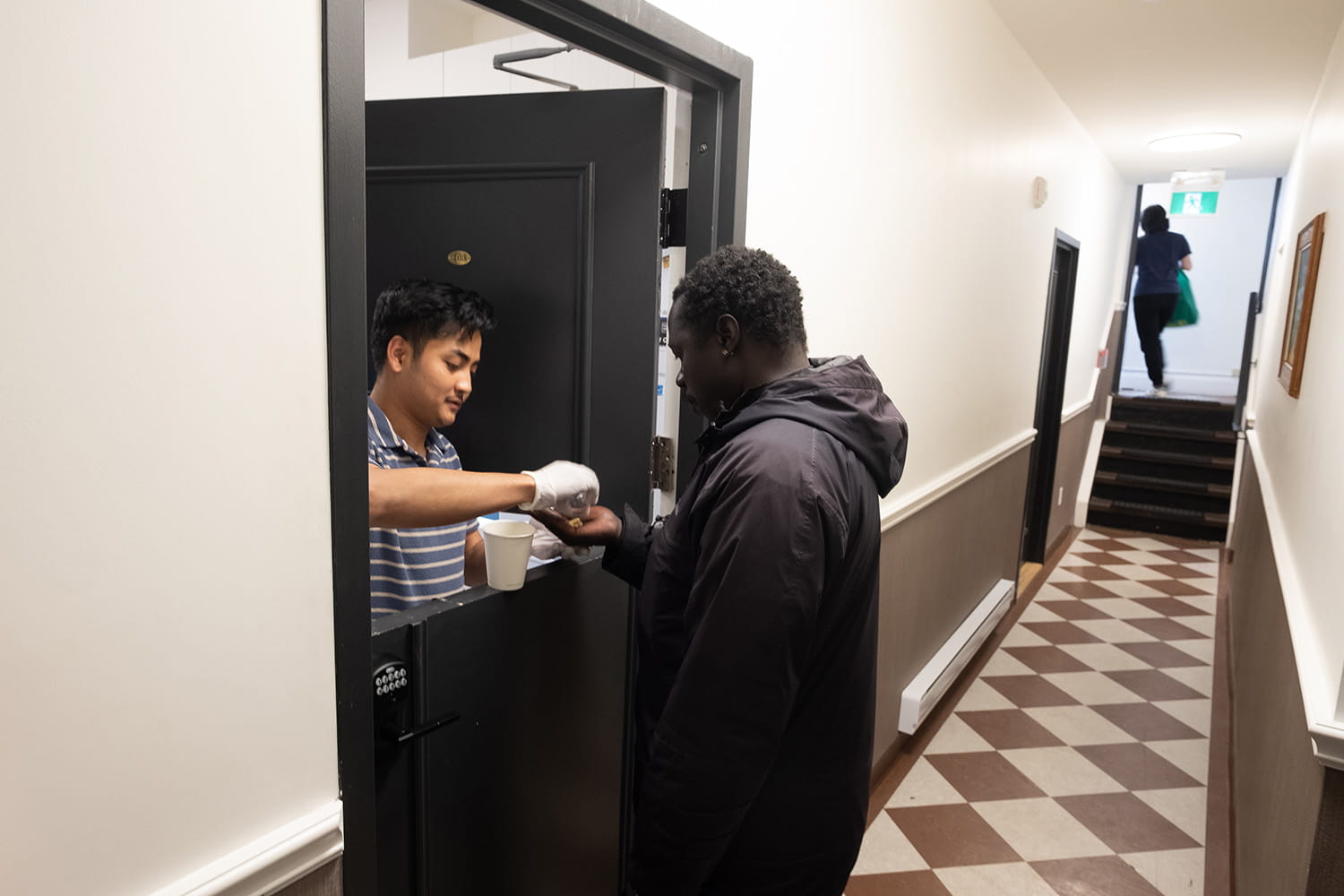
Beyond this, the SDH team has also actively worked to improve medication injection practices, matching meetings for the new Wilson Park program, connections with developmental services and other supportive housing providers, facilitating individual care planning, linking with non-CAMH clinical services, and organizing broader system coordination to support tenant transitions. Collaborating with Gifts of Light, they also organized for the provision of welcome packages for new tenants moving in.
A place to call home
All of this work is not lost on the 25 residents of Wilson Park, many of whom faced considerable housing challenges prior to their arrival here, on top of the health concerns that they are working through.
“I moved this summer, and I have the full feeling of starting a new life. I have started to try work out in GYM and I am enjoying a lot,” says APD. “Though I don't speak much English, staff here managed to support me all the time and I appreciate their work.”
“This is my home. I like the staff here, the food is good, there are lots of events and activities are conducted. The staff are very nice and kindhearted, listening to you without any judgement,” says SJ, one of the residents at Wilson Park. SJ spoke glowingly about their ability to participate in a community that really care about them. “I’ve been in situations where my housing situation was not great – years ago I was homeless for a while, sleeping on grates downtown and finding places to stay warm, and I never thought I could land in a situation like this. I also have some health challenges, so being in a place where there are other people who can support me puts me at ease.”
Those sentiments were echoed by RG, who had nothing but praise for the staff who really took their time to make the residents feel at home, and also supports with his health. “The staff support me for appointments which is very beneficial.”
Staff do a good job at keeping residents engaged as well, with activities that allow them to explore and grow. One resident, KS, was meticulously painting ornaments to hang on their communal Christmas tree. Quiet and reserved, KS remarked that they don’t normally explore a lot of artistic pursuits, but being at Wilson Park and working with staff encouraged him to do more.
“I really enjoy the support from all the staff, and I get along with other clients. I am glad to have made friends, too.”
Building on partnerships and creating a strong foundation for the future
"The SDH team works with dedication and care to foster our community and housing partnerships so that we can continue to safely transition patients from CAMH inpatient programs successfully to the community,” says Jordanne Holland, Clinical Director for Geriatrics, ANS & Medical Affairs.
“Building trusted and effective partnerships helps us jump on opportunities to expand supportive housing access. Our longstanding partnership with Madison, helped us to advocate to funders, develop operational plans quickly and transition patients with care to the new location. Continuing to grow supportive housing programs for our patients has never been more important at CAMH. Thank you to all the teams across the hospital who work with us to make our partnerships successful.”
“Like any good relationship, [this partnership with CAMH] has grown through trust and by building on what works,” says Chama. “Our long history of working together laid the foundation for the Lansdowne partnership, and that success has inspired Wilson Park. CAMH has also invested in training and capacity building for our staff, which makes a real difference in the care we are able to provide every day.”
While these may ultimately seem like small steps towards fixing a wider problem that will require larger systemic interventions, each person housed by these programs showcases the transformative potential for recovery when we work together.
But opportunities like these don’t come together without support at all levels and the dedication to see them through. Creating communities that address the most basic needs of residents, and gives them the tools to thrive is possible when the right variables are in play. Through collaboration, a commitment to funding, and a concerted and coordinated effort at giving people the help they need in a timely manner, we can give individuals the dignity and independence they deserve that many of us take for granted.