
By Emily Foucault, Patient Advocate and Co-Lead, The Clear and Inclusive Writing Guidelines: The New CAMH Style
The Clear and Inclusive Writing Guidelines: The New CAMH Style is a new resource from Education at CAMH to help CAMH staff, learners, and volunteers, use equitable language to advance the quality of care for the patients and families we support.
I knew how to write campaigns. I knew how to build a brand, shape a message and find words that would connect with an audience. But when it came to my own life, I struggled to say, “I need help,” or “I feel invisible.”
I spent more than a decade in marketing and communications. From the outside, I was ambitious, capable and always moving toward something. Underneath, I was navigating physical pain, major depression and symptoms I struggled to explain. I could tell a client’s brand story. Understanding and telling my own story was much harder.
Alcohol became a way to numb both my physical and mental pain. It offered a temporary escape from what I was feeling and what I did not yet know how to express. In an industry where drinking was embedded in the culture, from networking to celebrations, it was easy for that way of coping to blend into my personal and professional life.
But the relief did not last. My experience with alcohol use disorder became part of a mental health crisis, and I sought help through addictions therapy, cognitive behavioural therapy and group therapy.
Doing the work
There was work I needed to do, and I wanted to do it. I needed help understanding what I was carrying, how I was responding and what healthier ways of coping might be possible. Finding language for those experiences was part of that work.
At the same time, I was navigating complex chronic illness in a health care system where I often felt unheard. I had been told, “It’s all in your head.” I knew what it felt like to leave an appointment wondering whether I had explained myself poorly, whether I should have said less or whether anyone had understood.
Those experiences affected my trust. They also taught me how much a conversation can matter. When someone remained curious, asked another question or took my account seriously, I had more room to speak honestly and participate in my care.
As my health declined, I lost the ability to sustain the career I had built. I missed being part of a team. I missed contributing and having somewhere my experience belonged.
My way back into meaningful work
Patient partnership gave me a way back into meaningful work with the body and capacity I had.
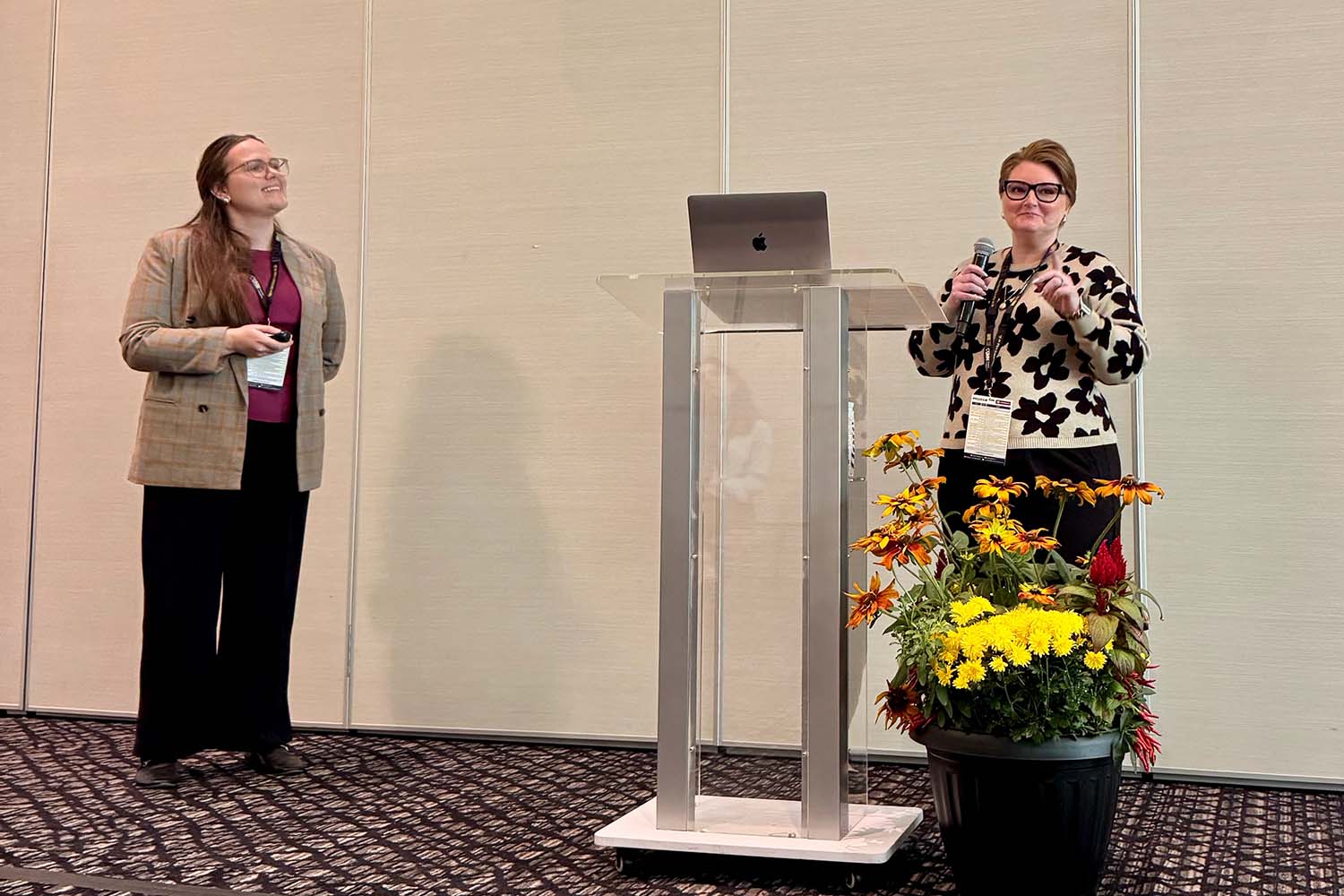
Charlotte Pape, Research Analyst, CAMH, and Emily speaking at UHN Pride in Patient Engagement in Research (PiPER) Day 2025 in Toronto.
At CAMH, that eventually included becoming a co-lead writer of the Clear and Inclusive Writing Guidelines, alongside my colleague Jess Taylor-Calhoun.
The project brought together the professional communicator and the patient who had struggled to find her words. It also asked me to listen.
Brené Brown’s Atlas of the Heart helped me name emotions I had struggled to describe. Having words for grief, fear and shame gave me a place to begin. I could better understand myself and help someone else understand me.
That experience helped me appreciate what finding the right words could mean for others. My own experiences gave me a perspective, but they could not tell me what someone else had lived through. I wanted to sit with people, hear their stories and understand what language meant to them. What felt dismissive? What carried a history of harm? How did they want to be described?
Learning about language through conversation
In our co-writing sessions with patients and staff, we talked about how language had affected people’s lives and how they wanted their experiences represented. Those conversations shaped what we wrote, how we framed it and what we needed to reconsider. Listening meant being willing to change the writing, and sometimes my own perspective.
I learned that a familiar word could carry a meaning I had never considered. Someone’s relationship with language might be shaped by trauma, culture, identity or years of having other people define them. Understanding that required openness, including a willingness to change my own perspective.
I am still learning, and I still need to be corrected sometimes. The difference is that I feel more grounded now. I can hear that something I said caused harm, take responsibility and learn without questioning my worth or whether I belong. That steadiness helps me stay curious, listen to how my words land and stay in the conversation.
Finding belonging in shared work
As I grew into the co-lead writing role, I found ways to bring my communications background and lived experience into the same work. Alongside Jess and our collaborators, I helped shape the guidelines, draft conference abstracts and poster submissions, and develop dissemination and communications plans to bring the work to wider audiences.
Skills I had developed in marketing found a new purpose in work that mattered deeply to me. Being trusted with that responsibility helped me rebuild confidence. I had something to contribute, people to learn alongside and a place to belong. I could ask questions, help shape decisions and see how our conversations changed the writing.
When I spoke at the “Where’s the Patient Voice in Health Professional Education?” conference, I reflected on how meaningful that belonging had been. After years of feeling excluded from professional spaces, I was contributing again, with support and room for my needs.
Meaningful work has become part of my reinvention
I continue to live with complex chronic inflammatory conditions. Meaningful work has become part of a changed life, and I am still learning how to participate without asking more of myself than my body can give.
My hope for this guide comes from that experience. I want the person reading a clinical note, asking for help or joining a conversation about their care to feel that their understanding of their own life has a place in that conversation.
I know how hard it can be to find the words. I also know what becomes possible when someone takes the time to listen and is willing to learn alongside you.

